

Key Takeaways
- Diamonds offer classic brilliance and fire, moissanite has the most intense sparkle, and sapphires offer rich colour rather than shimmer.
- On the Mohs hardness scale, diamond rates 10, moissanite rates 9.25 and sapphire rates 9, so all three suit daily wear.
- Moissanite is generally the most affordable of the three, followed by sapphire, with diamond typically the most expensive.
- Lab-grown diamonds, lab-grown sapphires and moissanite, almost all of which is lab-created, are considered the most eco-friendly gemstone choices.
- There is no single "best" stone. The right choice depends on your priorities around look, budget and ethics.
Choosing the perfect engagement ring can be a challenging task. Beyond a beautifully designed band, the centre stone needs to be symbolic, durable, and true to your personal style. Among the most popular options today are sapphires, moissanite and diamonds, each offering unique qualities that appeal to different lifestyles and budgets.
This guide compares the three gemstones across brilliance, durability, price and ethical sourcing, so you can choose an engagement ring stone that is meaningful, beautiful and right for you.
Brilliance and Fire: Visual Differences Between the Three Gemstones
What makes a gemstone noticeable is its sparkle. Brilliance refers to the white light a gemstone reflects, while fire describes the flashes of spectral colour it produces. While all three stones are visually stunning, they reflect light in different ways.
Diamonds
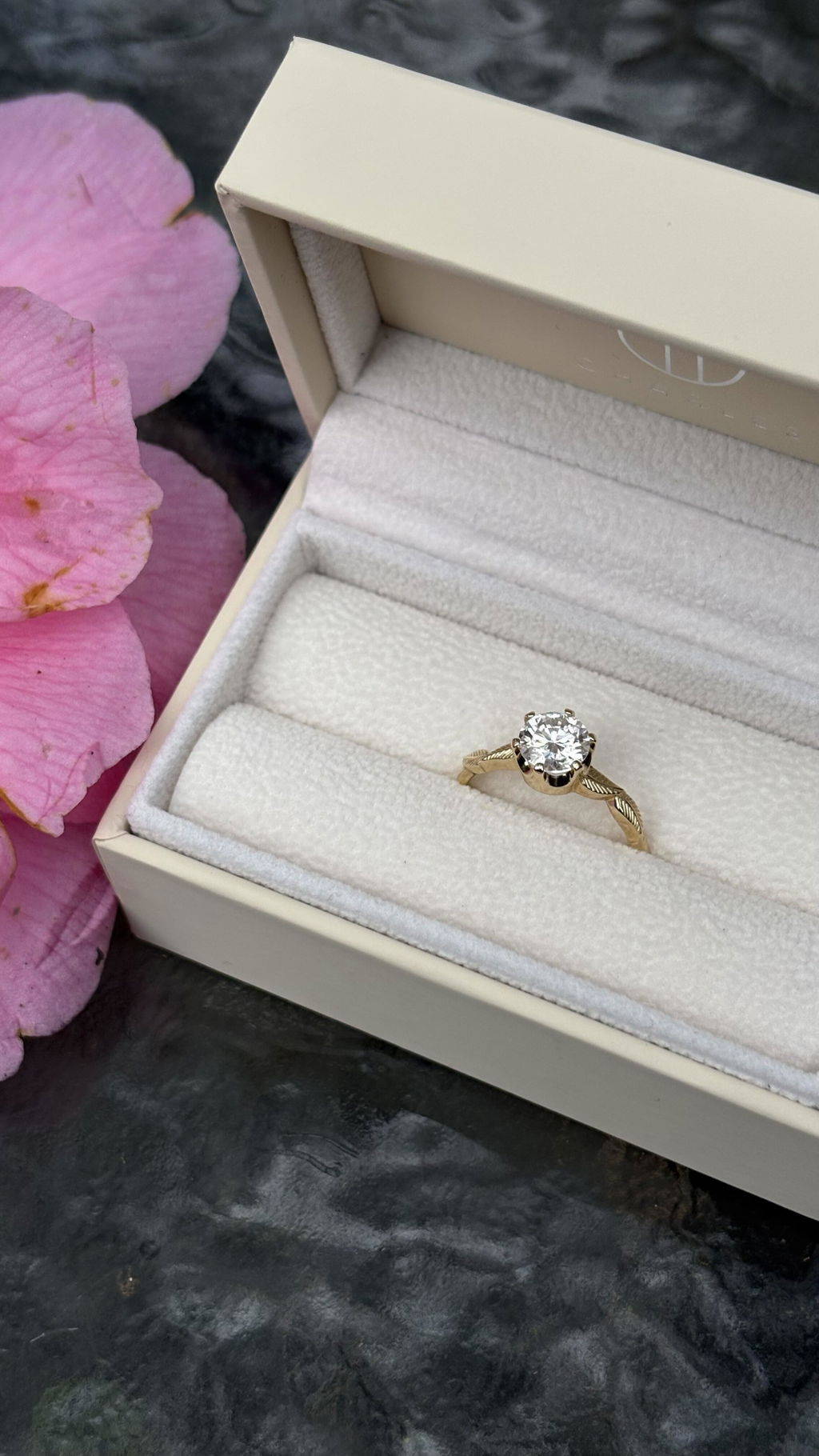
Diamonds are famous for their balance of brilliance and fire. A well cut diamond produces the classic sparkle associated with timeless elegance and luxury.
Moissanite
Refractive index measures how strongly a material bends light as it passes through, and a higher refractive index generally produces more visible sparkle. Moissanite has a higher refractive index than diamond, which is why it is considered the sparkliest of the three gemstones, bending light intensely to create dramatic rainbow flashes often described as more "disco ball" compared to a diamond's subtler shimmer.
Sapphires
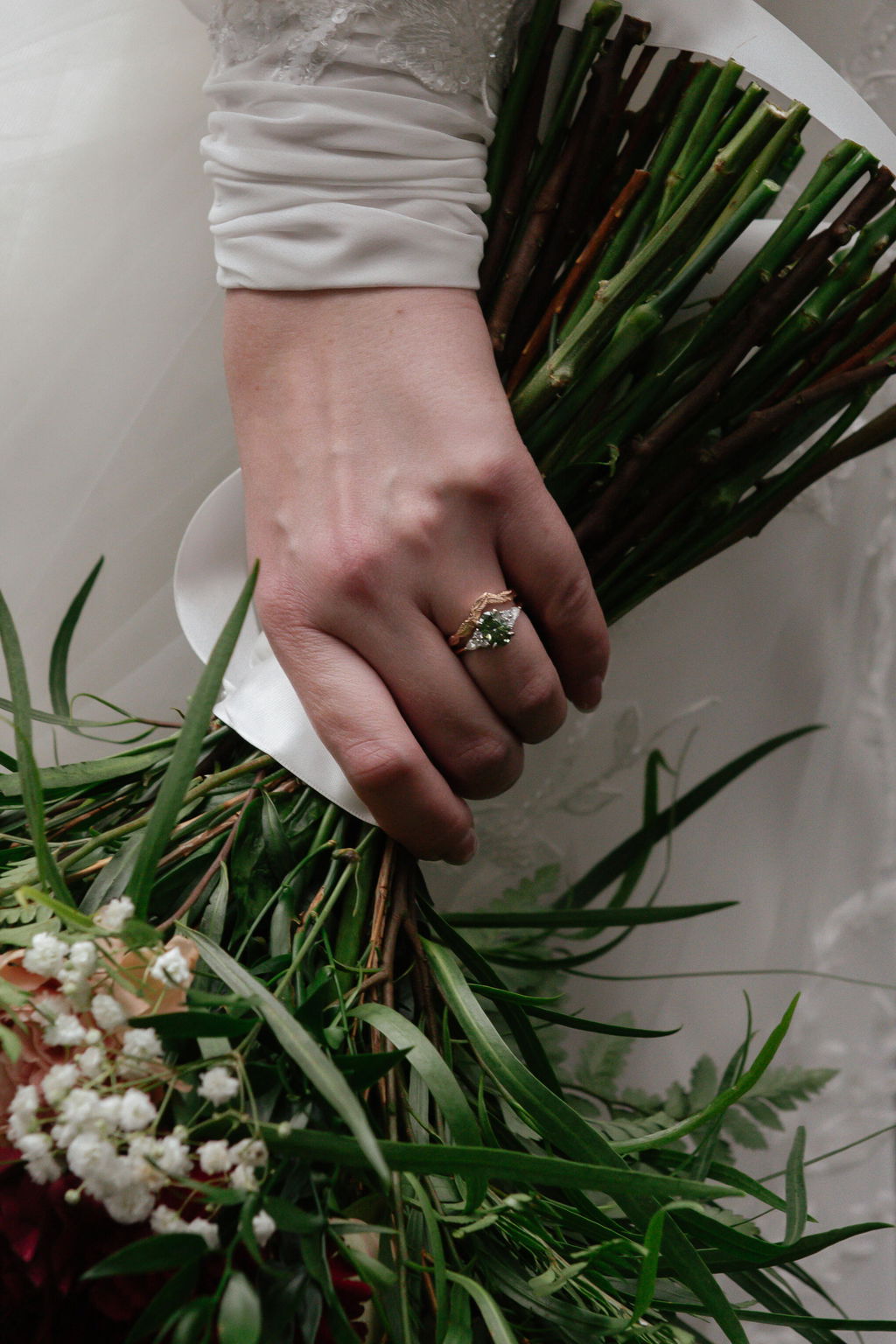
Sapphires offer a completely different aesthetic, prized for rich colour and velvety depth rather than shimmering sparkle. Blue sapphires are the most iconic, though they are also found in pink, yellow, white and even peach hues.
Hardness and Longevity: Comparing the Mohs Scale Ratings
Engagement rings are typically worn every day, so durability matters. The Mohs hardness scale is a 1 to 10 rating system that measures how resistant a mineral is to being scratched.
| Gemstone | Mohs hardness | Everyday durability |
|---|---|---|
| Diamond | 10 | The hardest known natural material, highly resistant to scratches |
| Moissanite | 9.25 | Extremely durable, resists scratching and chipping very effectively |
| Sapphire | 9 | Highly durable and used in fine jewellery for centuries |
All three stones are suitable for engagement rings worn daily, though diamond maintains a slight edge in long-term scratch resistance.
Price and Affordability: Getting the Most Value for Your Budget
Budget is often the deciding factor when choosing a centre stone. Diamonds are typically the most expensive option, with cut, colour, clarity and carat weight all influencing price, and natural diamonds becoming particularly costly as size increases.
Of the three, moissanite is generally the most affordable, delivering impressive sparkle and durability at a fraction of the cost of a comparable diamond.
Sapphire pricing varies widely depending on quality and origin. Natural blue sapphires with a deep, vivid colour can be expensive, particularly those from regions such as Kashmir or Burma. Lab-grown sapphires, however, are far more affordable while retaining the same physical and chemical properties as mined stones. Australian-mined sapphires typically sit in the middle of this range, offering natural colour and a shorter supply chain without the premium attached to the rarest overseas origins.
Ethical Considerations: Lab-Grown, Mined and Eco-Friendly Options
Ethical sourcing has become increasingly important to modern couples, who want more transparency and choice in how their gemstone was produced.
- Lab-grown: Lab-grown diamonds and sapphires have become popular alternatives for environmentally conscious shoppers, since they share the same physical properties, vibrant colour and durability as mined stones.
- Mined: Natural diamonds remain highly sought after, though the environmental impact and conflict sourcing linked to some mining operations is a growing concern for buyers.
- Alternative eco-options: All three gemstones can be ethically sourced, but moissanite is often considered the most eco-conscious choice, as nearly all moissanite sold today is lab-created.
Ultimately, buyers now have more ethical choices than ever before, regardless of which gemstone they prefer, and an ethically sourced engagement ring is achievable with any of the three stones. For sapphire specifically, Australian-mined stones from fields in Queensland and New South Wales offer a shorter, more traceable supply chain than many imported gemstones, which appeals to couples who want to know exactly where their stone came from.
Which Stone Suits Your Lifestyle?
Beyond hardness, price and ethics, it helps to think about how you will actually wear your ring day to day.
- Want maximum sparkle on a budget? Moissanite is hard to beat.
- Want the most traditional, universally recognised choice? Diamond remains the classic option.
- Want a ring that stands out with colour and individuality? Sapphire, including an Australian-mined stone, offers a distinctive alternative to a clear centre stone.
- Want maximum long-term scratch resistance? Diamond's Mohs rating of 10 gives it a slight edge over time.
Summary Table: Quick Comparison of Sapphire, Moissanite and Diamond
No single gemstone is universally the "best". Understanding what makes each one unique helps you select an engagement ring that is meaningful, beautiful and perfectly suited to you.
| Feature | Diamond | Moissanite | Sapphire |
|---|---|---|---|
| Sparkle style | Classic brilliance and fire | Intense, rainbow-flecked sparkle | Rich colour, subtle shimmer |
| Mohs hardness | 10 | 9.25 | 9 |
| Typical price | Highest | Most affordable | Wide range, mid to high |
| Most eco-friendly option | Lab-grown | Lab-created, nearly all supply | Lab-grown |
| Best for | A timeless, traditional look | Maximum sparkle on a budget | Colour and individuality |
At Vinny & Charles, we handcraft engagement rings featuring all three stones. Browse our sapphire engagement rings for rich, individual colour, our moissanite engagement rings for maximum sparkle on a budget, or our lab-grown diamond engagement rings for a timeless look with a lighter environmental footprint.
Frequently Asked Questions
Is moissanite as durable as a diamond?
Moissanite rates 9.25 on the Mohs hardness scale, close to diamond's 10. It is highly resistant to scratching and chipping, making it a practical, durable choice for an engagement ring.
What is the most eco-friendly engagement ring stone?
Moissanite is generally considered the most eco-friendly option, since almost all moissanite sold today is lab-created. Lab-grown diamonds and lab-grown sapphires are also considered more sustainable alternatives to mined stones.
Why are sapphires cheaper than diamonds?
Sapphire pricing depends heavily on colour, clarity and origin, so prices vary widely. Lab-grown sapphires in particular tend to be significantly more affordable than natural diamonds of a similar size, while offering the same physical and chemical properties as mined stones.
Can I use a sapphire instead of a diamond in an engagement ring?
Yes. Sapphires are a popular and durable alternative to diamonds, with a Mohs hardness rating of 9. Many couples choose sapphires for their colour, symbolism and value for money.